
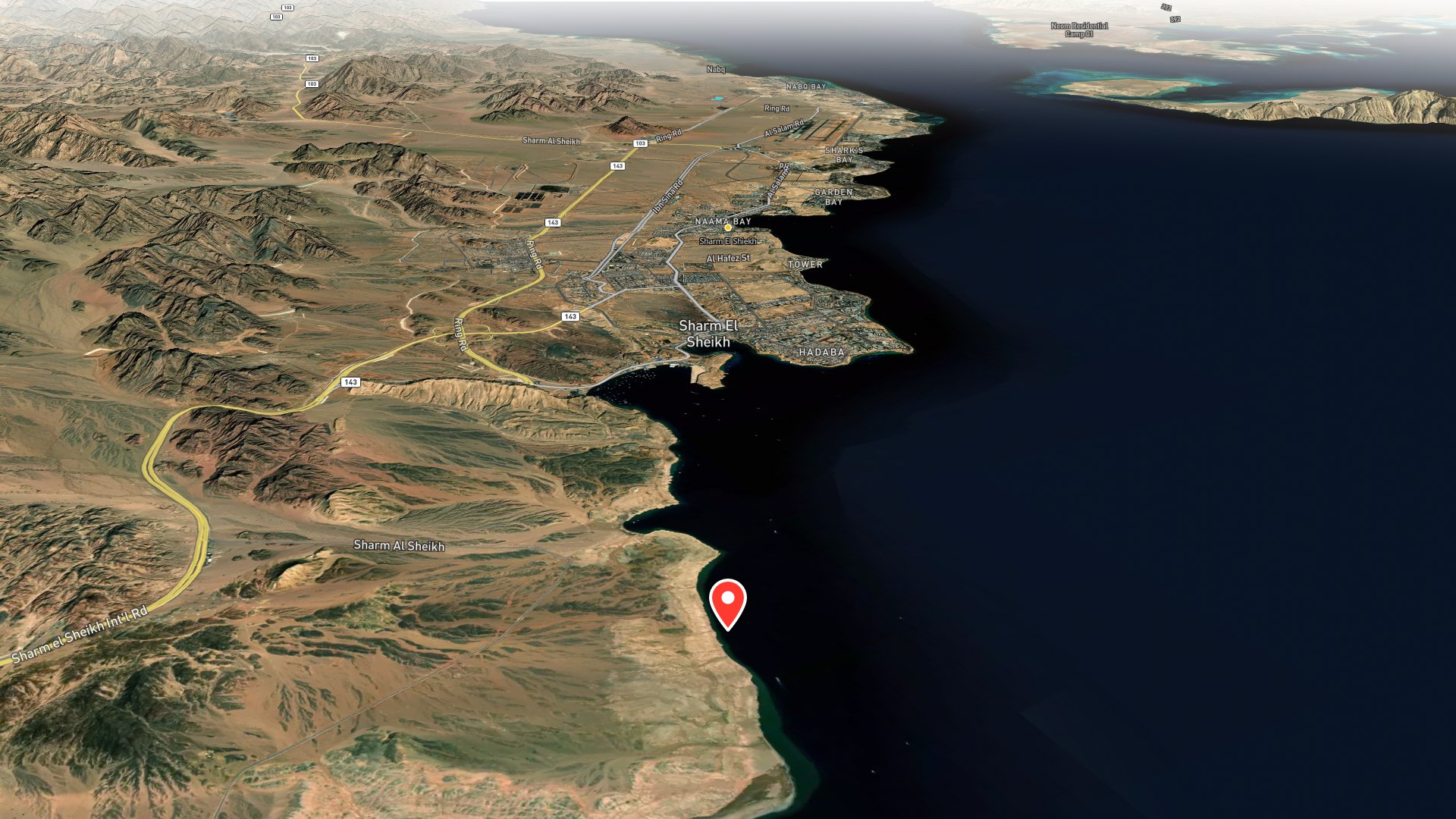
About 20 km south of Sharm El Sheikh, on a slim peninsula towards the most southern tip of Sinai, lies Ras Mohammed — the first and best-kept national park in Egypt. Positioned at the juncture of the Gulf of Suez and the Gulf of Aqaba, the combining waters of differing salinity from each gulf have produced a spectacular array of reef and pelagic fish, diverse coral, and luxuriant sea walls. Because of its exceptional beauty and scientific significance, the Egyptian government declared Ras Mohammed a protected area in 1983 — and the reefs have been thriving ever since.
The Underwater World
The park is home to more than 1,000 species of fish and over 220 species of coral — a diversity driven largely by the nutrient-rich waters brought in by strong currents. From massive schools of snapper and barracuda to turtles, eagle rays, moray eels, and sharks, every dive here feels cinematic. It's during the summer months that divers are most likely to encounter manta rays and whale sharks. Keep your eyes on the blue: a menagerie of pelagics can be seen, including hammerheads and gigantic tuna.
Two of the park's most famous sites — Shark Reef and Yolanda Reef — are often listed among the top ten dive sites in the world. Shark Reef is a dramatic wall dive that drops to 800 metres and is home to barracudas, jacks, and trevally schools. Yolanda Reef is named after a vessel that sank here in 1985; while the ship itself has slipped into the depths, its cargo of porcelain toilets and bathtubs remains, lending the site a wonderfully surreal atmosphere. Other renowned sites include Ras Ghozlani, Ras Za'atar, Jackfish Alley, Eel Garden, Shark Observatory, and Anemone City.
Conditions & What to Expect
Across the park's dive sites, expect average depths of 26–49 m, water temperatures of 21–28 °C, and currents of 1–3 knots. Visibility can reach up to 50 metres, allowing you to spot the large pelagics — tuna, barracuda, sharks, and schools of jacks — that sweep past the reef at any time of year. The currents make Ras Mohammed perfect for drift diving, where you glide effortlessly along the reefs while marine life passes by in an ever-changing spectacle. On the exposed sides, walls can drop off into very deep water and currents can be strong, so experience matters — though there's always somewhere for divers who prefer not to face extreme conditions.
Getting There
All dives at Ras Mohammed are conducted by boat, as the sites are situated some distance from shore — which allows divers to access the best and most remote areas of the park, where coral reefs are untouched and marine life thrives. To make the most of the park, join a liveaboard safari: it lets you drop in before day-trip boats arrive and cover several sites in a single day. Day trips depart regularly from Sharm El Sheikh. A national park fee applies to all boat trips, with proceeds going directly to the National Park Authority to support conservation across Egypt's protected areas. Diving is permitted in designated areas only, and all visitors must leave the park by sunset.
Recommended ISC Certifications
Ras Mohammed rewards divers who come prepared. The following ISC courses are the most relevant for getting the best out of this destination:
ISC Advanced Diver — The essential step up from Open Water. Dives here suit experienced divers, with vertical walls and drop-offs plunging to 750 m, and an Advanced certification gives you the foundations to handle them safely.
ISC Deep Diver — The ISC Deep Diver course teaches you how to dive efficiently and safely at depths of 30 m or 40 m below the surface — essential for fully exploring the dramatic walls of Shark Reef, Ras Za'atar, and Shark Observatory.
ISC Drift Diver — The currents in Ras Mohammed make it perfect for drift diving. With no mooring and a generally strong current, sites such as Ras Ghozlani are done exclusively as drift dives, and this specialty ensures you can read and work with the flow confidently.
ISC Nitrox Diver — Nitrox is recommended to extend no-decompression time — especially valuable on multi-dive liveaboard days or when lingering along the deeper sections of the wall.
ISC Wreck Diver — Among the wrecks accessible from Ras Mohammed are the SS Thistlegorm, the SS Dunraven, and the Yolanda, each with its own character and depth profile. A wreck certification means you can explore them fully and safely.
ISC Boat Diver — All dives at Ras Mohammed are conducted by boat. This course covers entries, exits, SMB deployment, and onboard protocols — the everyday practicalities that make a boat-diving trip run smoothly.
Likely seen here
Species whose range and habitat make them likely at this site — not yet confirmed by a logged sighting.